
• HOME
  • Houseplants
  • Edible Gardening
  • Garden Design
  • Caring for Your Yard
  • Flowers
  • Pest & Problem Fixes
  • Trees, Shrubs & Vines
  • Landscaping
  • Terms of Use
  • About Us
  • Privacy Policy
nexusarena.ccnexusarena.cc
  • HOME
  • Houseplants
  • Edible Gardening
  • Garden Design
  • Caring for Your Yard
  • Flowers
  • Pest & Problem Fixes
  • Trees, Shrubs & Vines
  • Landscaping
nexusarena.cc nexusarena.cc
nexusarena.cc » Edible Gardening » How to Grow Dragon Fruit from Seed
Edible Gardening

How to Grow Dragon Fruit from Seed

9.3K
745
186
How to Grow Dragon Fruit from Seed

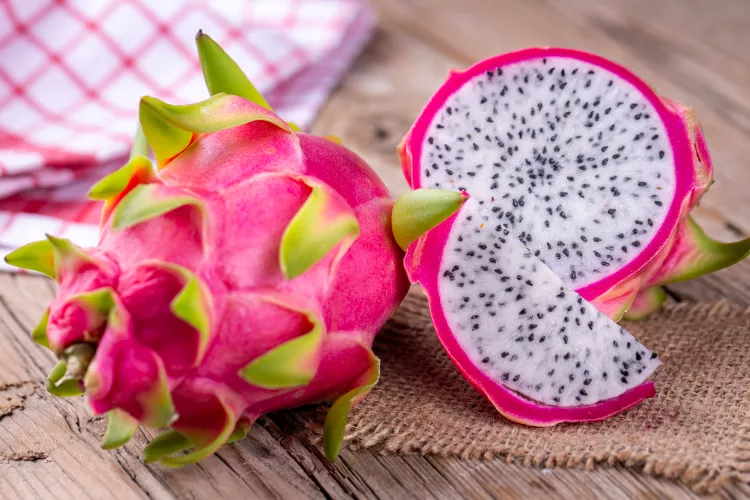
Dragon fruit has long been valued by the indigenous peoples of Central and South America for its sweet flavor. But this fruit is more than a tasty snack; it's also a beautiful and interesting type of cactus plant that produces stunning–if ephemeral–flowers. Here's how to grow dragon fruit from seed so you can enjoy your own plant. Then, use the tips below to help your new dragon fruit plant thrive for many years.

Steps to Grow Dragon Fruit from Seed

Materials

  • Seed starter soil mix
  • 4-inch plastic pots
  • 1 Dragon fruit
  • Kitchen strainer or thin sieve
  • Plastic wrap
  • Rubber band

1. Separate seeds from pulp.

The first step is to separate the tiny black seeds from the pulp. Choose a dragon fruit that is overripe and scoop out the pulp into a sieve or kitchen strainer with a fine mesh. Next, rinse the pulp and seeds under a faucet and gently begin pressing on the pulp. Continue rinsing seeds until all of the pulp has been washed away and only the seeds remain. Allow seeds to dry on a paper towel.

2. Prepare soil and container.

Fill the plastic pot(s) with seed mix and moisten until evenly damp. Leave about 1 inch of space between the soil surface and the pot's rim.

3. Sow seeds in pots.

Evenly sprinkle seeds on the surface of the damp seed mix. Separate any seeds that have clumped together and spritz them with water to unstick them. You don't need to be precise about the number of seeds you sow, but try to make sure each has about a half inch of space.

4. Cover pots and place in warm spot.

Place plastic wrap over the top of the pot(s) and secure it in place with a rubber band. This will help keep moisture levels even while seeds are germinating. Leave your pot(s) in a warm, bright location out of direct sunlight to avoid overheating. Grow lights and horticultural heating pads can be beneficial.

5. Remove cover once growth appears.

In 1-2 weeks, seeds should begin to sprout. Once the seedlings send up some leaves, remove the cover and check the soil often to make sure it doesn't dry out.

6. Pot up seedlings.

After the third set of leaves has appeared, gently remove individual plants from the pot and plant each in its own larger container. After seedlings are firmly established, begin fertilizing with a half-strength fertilizer.

Where to Grow Dragon Fruit Plants

These unusual plants are subtropical to tropical plants (USDA Hardiness Zones 10+) that are easy to grow under warm, dry conditions both indoors and outdoors. While established plants can handle brief periods of cold or even light frosts, it's best to avoid exposing them to temperatures below 50°F for extended periods of time.

Give outdoor plants full sun (8+ hours per day) where possible and supplement indoor plants with grow lights. Dragon fruit plants are not especially picky about their soil though it must drain well to avoid root rot.

Found in nature scrambling up the bark of trees, dragon fruits are actually vining cacti. While these plants are natural climbers, they can be grown in hanging baskets with good results. If you train your plant up a pole, an annual pruning just after fruit harvest can help keep your plant shaped and productive. Remove any branches that grow from the main stem(s) and trim off stems that have borne fruit the previous season. Cut stems at nodes.

Dragon Fruit Plant Care Tips

During the growing season, give plants plenty of water but allow the soil to dry somewhat before watering again. While dormant or while plants have otherwise slowed their growth, cut back on watering.

Mature plants can grow quickly and will respond well to fertilizers while actively growing, flowering, and fruiting. As with many cacti, dragon fruit plants are night-blooming and pollinated by moths and bats in their natural habitat. You may need to use a soft paint brush to pollinate flowers if you aren't getting many fruits.

Frequently Asked Questions

  • Where is dragon fruit grown?

    While native to the New World, dragon fruit has gained popularity across the globe and is now grown commercially throughout the tropics and subtropics.

  • How is dragon fruit grown?

    Dragon fruit crops are typically grown on wooden poles where they are allowed to cascade down creating a somewhat umbrella-like look. This growing method ensures the plants get ample sun and are easy to harvest.

  • How long does it take a dragon fruit plant to grow fruit?

    From seed to maturity, it can take 5-7 years before a dragon fruit plant makes fruits.

  • What other names does dragon fruit go by?

    In Mexico, dragon fruits are known as “pitaya,” a word of Incan origin meaning “cactus pear.” Selenicereus is the botanical name for dragon fruit species.

  • Are there different kinds of dragon fruit?

    While various species exist, there is some confusion as to which are pure species and those which might actually be hybrids. Some commonly grown species are the white, red, and yellow dragon fruits.

Related Posts

27.3K
272
125

Perfect Pink and Purple Plant Combinations

35K
1.8K
840

How to Plant and Grow Climbing Roses

24.3K
1.9K
621

9 of the Most Gorgeous Zinnias You Absolutely Should Grow This Summer

21.8K
872
122

24 Perennial Planting Combinations That Look Stunning Together

44.7K
1.3K
603

Are Caladiums Perennials That Come Back After Winter?

25.5K
1.3K
153

How to Deadhead Geraniums to Keep the Flowers Coming All Summer

10.1K
906
398

Annual vs. Perennial: What’s the Difference Between These Plants?

36.4K
3.6K
1.4K

How to Plant and Grow Star Jasmine

39.1K
3.1K
1.3K

15 Clematis Varieties That Have the Prettiest Flowers

16.9K
337
87

How to Use Compost: 9 Ways to Give Your Plants a Boost

14.9K
892
285

Invasive Poison Hemlock Is Spreading to Gardens Across the Country

4.4K
349
115

Weed Killers: 5 Things to Know Before You Spray

24K
1.7K
235

3 Homemade Weed Killer Recipes and Must-Know Tips

47.9K
2.4K
598

How Can I Get Rid of Wiregrass?

47K
4.7K
1.1K

36 Lawn and Garden Weeds: How to Identify and Control Them

26.4K
2.1K
782

Boxwood Blight: How to Spot and Prevent This Devastating Plant Disease

16.3K
163
71

How to Design a Garden by Plant Height

37.2K
2.6K
1K

14 Easy Landscaping Ideas to Create Lots of Visual Variety

10.7K
959
354

11 Drought-Tolerant Landscaping Ideas That Save Water and Look Amazing

20.5K
819
294

20 Concrete Patio Ideas for a Cozy Outdoor Retreat

Perfect Pink and Purple Plant Combinations
How to Plant and Grow Climbing Roses
9 of the Most Gorgeous Zinnias You Absolutely Should Grow This Summer
24 Perennial Planting Combinations That Look Stunning Together
Are Caladiums Perennials That Come Back After Winter?
How to Deadhead Geraniums to Keep the Flowers Coming All Summer
Annual vs. Perennial: What’s the Difference Between These Plants?
How to Plant and Grow Star Jasmine
15 Clematis Varieties That Have the Prettiest Flowers
How to Use Compost: 9 Ways to Give Your Plants a Boost
Invasive Poison Hemlock Is Spreading to Gardens Across the Country
Weed Killers: 5 Things to Know Before You Spray
3 Homemade Weed Killer Recipes and Must-Know Tips
How Can I Get Rid of Wiregrass?
36 Lawn and Garden Weeds: How to Identify and Control Them
Boxwood Blight: How to Spot and Prevent This Devastating Plant Disease
How to Design a Garden by Plant Height
14 Easy Landscaping Ideas to Create Lots of Visual Variety
11 Drought-Tolerant Landscaping Ideas That Save Water and Look Amazing
20 Concrete Patio Ideas for a Cozy Outdoor Retreat
nexusarena.cc ©2026
  • Terms of Use
  • About Us
  • Privacy Policy