
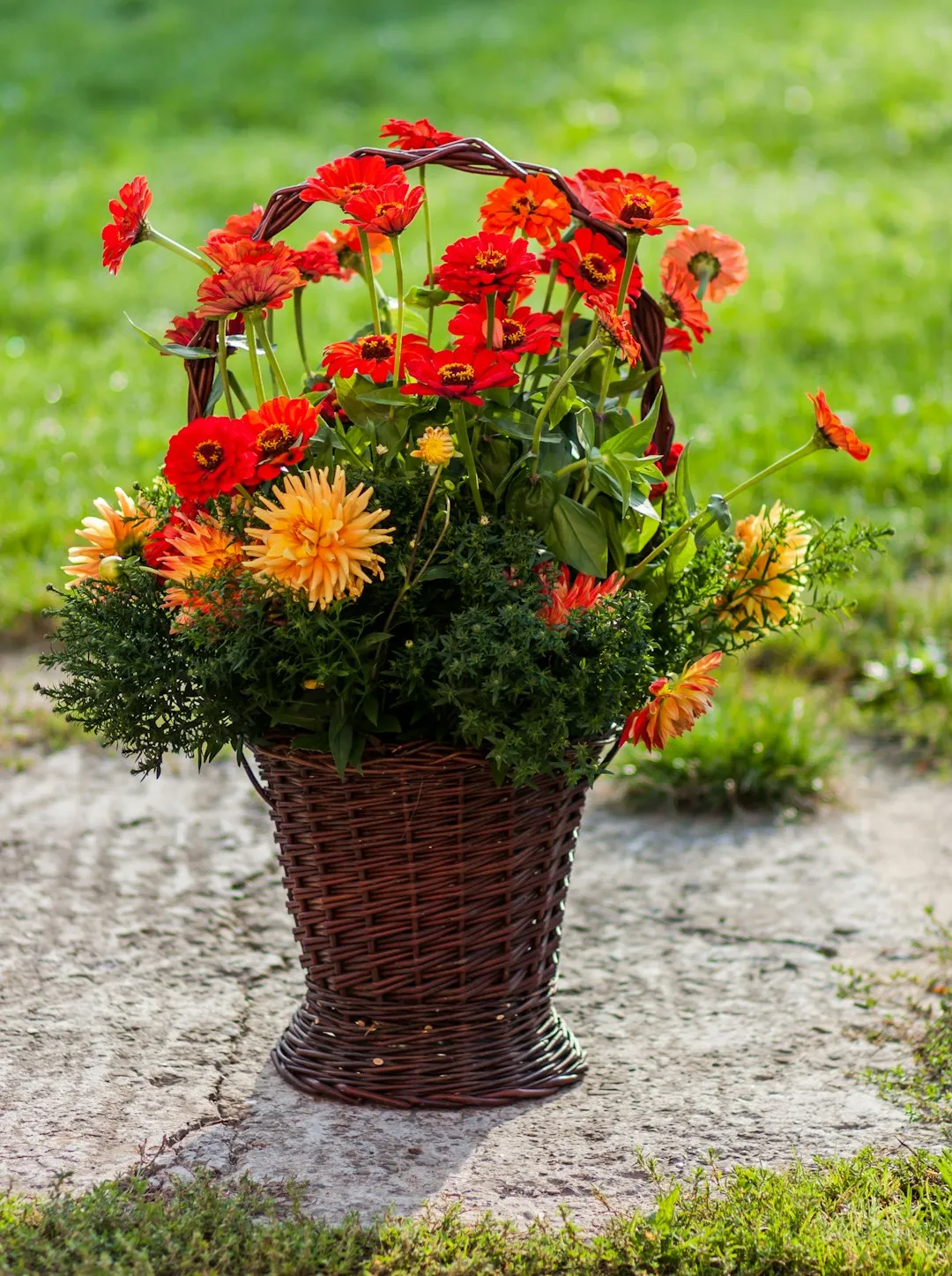
Maintaining a beautiful and thriving yard garden can be a rewarding experience, but it often comes with the challenge of keeping your plants hydrated while also being mindful of water usage and your budget. Fortunately, there are several simple strategies you can implement to ensure your plants receive the right amount of water without wasting resources. In this article, we will explore some effective methods for keeping your yard plants hydrated more efficiently, allowing you to save both water and money in the process.
One of the most fundamental aspects of efficient plant hydration is proper watering techniques. Instead of watering your plants lightly and frequently, it is better to water deeply and infrequently. This encourages the plant roots to grow deeper into the soil, making them more resilient and better able to access water during dry periods. When you water deeply, the water penetrates the soil more effectively, reaching the roots where it is needed most. To achieve this, use a soaker hose or a drip irrigation system, which deliver water directly to the base of the plants at a slow and steady rate. This not only reduces water waste through evaporation and runoff but also ensures that the water is used more efficiently by the plants.
Another important factor to consider is the timing of your watering. Watering your plants early in the morning is ideal, as it allows the foliage to dry before nightfall. This helps prevent the development of fungal diseases, which thrive in moist conditions. Additionally, watering in the morning takes advantage of the cooler temperatures and lower wind speeds, reducing water loss through evaporation. Avoid watering your plants during the hottest part of the day, as much of the water will evaporate before it has a chance to reach the roots. If you are unable to water in the morning, late afternoon is the next best option.
Using mulch is another effective strategy for keeping your plants hydrated. Mulch is a layer of organic material, such as wood chips, straw, or shredded leaves, that is spread over the soil surface around your plants. It helps retain moisture in the soil by reducing evaporation, suppressing weed growth, and regulating soil temperature. A layer of mulch about 2 - 3 inches thick can significantly reduce the amount of water your plants need. As the mulch breaks down over time, it also adds nutrients to the soil, improving its overall health and fertility.
Proper soil preparation is also crucial for efficient plant hydration. Well - drained soil that is rich in organic matter allows water to penetrate easily and be retained by the roots. You can improve the soil structure by adding compost or aged manure to your garden beds. Compost helps the soil hold water while also providing essential nutrients for your plants. It also improves soil aeration, which is important for root growth and the overall health of your plants. Before planting, take the time to test your soil to determine its pH level and nutrient content. This will help you make any necessary adjustments to ensure optimal growing conditions for your plants.
Grouping your plants according to their water needs is another smart approach. Some plants, such as succulents and cacti, require very little water, while others, like vegetables and annual flowers, need more frequent watering. By grouping plants with similar water requirements together, you can water them more efficiently. This way, you can avoid over - watering some plants while under - watering others. For example, you can create separate beds or areas in your yard for drought - tolerant plants and moisture - loving plants.
Collecting and reusing rainwater is an excellent way to save water and money. You can install a rain barrel or a larger rainwater harvesting system to collect rainwater from your roof. This water can then be used to water your plants. Rainwater is free of chemicals and salts, making it ideal for plant growth. It also helps reduce your reliance on municipal water supplies, which can be costly. Make sure to clean your rain barrels regularly to prevent the growth of algae and mosquitoes.
Finally, choosing the right plants for your climate and soil conditions is essential for efficient plant hydration. Native plants are adapted to the local environment and generally require less water than non - native species. They are also more resistant to pests and diseases, reducing the need for chemical treatments. When selecting plants for your yard, do some research to find out which ones are well - suited to your area. You can also consult with your local nursery or extension service for advice on native plant species.
In conclusion, by implementing these simple strategies, you can keep your yard plants hydrated more efficiently, saving both water and money. From proper watering techniques and timing to using mulch, improving soil quality, grouping plants, collecting rainwater, and choosing the right plants, there are many ways to ensure the health and vitality of your yard garden while being environmentally responsible. With a little planning and effort, you can enjoy a beautiful and sustainable yard for years to come.