
• HOME
  • Edible Gardening
  • Garden Design
  • Caring for Your Yard
  • Pest & Problem Fixes
  • Trees, Shrubs & Vines
  • Terms of Use
  • About Us
  • Privacy Policy
nexusarena.ccnexusarena.cc
  • HOME
  • Edible Gardening
  • Garden Design
  • Caring for Your Yard
  • Pest & Problem Fixes
  • Trees, Shrubs & Vines
nexusarena.cc nexusarena.cc
nexusarena.cc » Edible Gardening » How to Plant, Grow, and Care for Fenugreek
Edible Gardening

How to Plant, Grow, and Care for Fenugreek

7.1K
285
116
How to Plant, Grow, and Care for Fenugreek

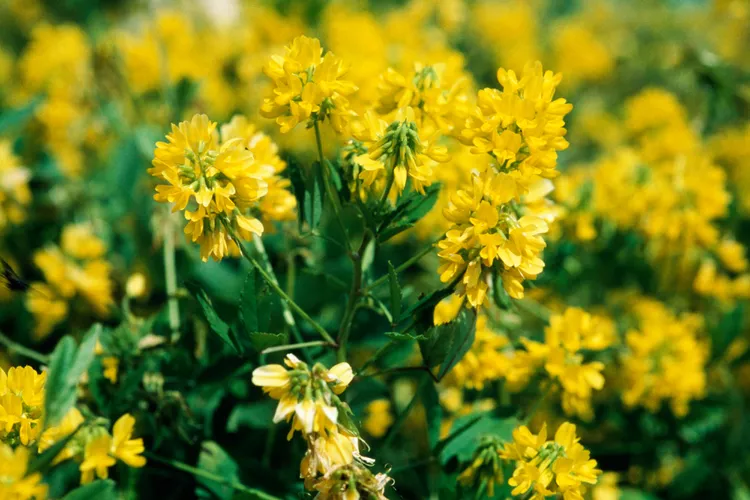
Long grown as a food source, spice, and medicinal herb, fenugreek is a relative of peanuts, beans, and other members of the legume family. Fenugreek is native to dry regions around the Mediterranean. Today, it's especially popular in India and is a major food ingredient in the region. In the U.S. this annual herb isn't common to gardens, but it deserves to be more widely grown for its tasty leaves and seeds, plus its pretty flowers.

Fenugreek Overview

Genus Name Trigonella foenum-graecum
Common Name Fenugreek
Plant Type Annual, Herb
Light Part Sun, Sun
Height null to 2 Feet
Width 3 to 6 Inches
Flower Color Purple, White, Yellow
Foliage Color Blue/Green
Propagation Seed

Where to Plant Fenugreek

Fenugreek prefers full sun to part shade, and well-draining soil for best growth and flower production. Like other legumes, fenugreek is a good candidate for crop rotation and will improve depleted garden soils. After the growing season has ended, till plants into the soil where they will continue adding nutrients as they break down.

How and When to Plant Fenugreek

Fenugreek does not transplant well. Because of this, sow seeds directly into the garden after the risk of frost has passed in spring, and the soil has warmed. Plant seeds about 1/4 inch deep and water well. Seedlings are quick to grow and should begin emerging within the first week after planting.

Care Tips for Fenugreek

Light

Fenugreek prefers full sun, but can tolerate some shading in hotter climates. For the best flower and pod production, give plants the most sunlight you can.

Soil and Water

Other than needing good drainage, fenugreek is not as picky as non-legumes about soil. Like its relatives, fenugreek can fix (add) nitrogen to the soil. In other words, degraded or otherwise, low-nutrient soils can be improved by growing fenugreek and tilling in the plants at the end of each growing season. 

Although plants should be watered regularly, too much water can lead to root rot and total dieback in plants. 

Temperature and Humidity

As natives of arid regions, these plants do best when grown in warm to hot and dry conditions. In cooler areas, planting up against the south side of a fence or other structure can help to increase ambient temperatures.

Fertilizer

Fertilizer is not necessary for all but seriously depleted soils. However, enriching the soil with compost or aged manure can help increase productivity and improve the soil for future plantings as well. 

Pruning

While pruning is not necessary, it may be helpful to pinch off the central growth points to encourage fuller, bushier plants. However, pruning should only be done early on or otherwise risk removing flowers. 

Pests and Problems

Fenugreek is rarely bothered by disease. Insect pests such as aphids are somewhat common, but will not typically kill plants and can be treated with a variety of organic pesticides such as insecticidal soap.

In water-logged soils, root rot is common and will destroy crops if soils are not amended prior to planting. The addition of sand and compost can help to improve soil drainage. Likewise, in areas with high humidity, powdery mildew can become bothersome and should be treated with an organic fungicide like neem oil or copper sprays.

How to Propagate Fenugreek

As an annual plant, propagation is done primarily through seeds. After pods have dried, harvest the seeds and store them in a cool, dark location until ready for sowing. Before planting the seeds, soak them overnight in a dish of water.

Frequently Asked Questions

  • Is fenugreek poisonous?

    While fenugreek is not poisonous in normal amounts, it should not be consumed by pregnant people and can cause allergic reactions in those with a sensitivity to legumes, particularly for someone with a known peanut allergy.

  • When can leaves be harvested?

    Fenugreek seeds, seedlings, and leaves are all edible. However, leaves are best used prior to flowering. As the plant blooms, the leaves become tough and less palatable.

  • Can fenugreek be grown in pots?

    Yes! Fenugreek plants are easy to grow in pots because of their shallow root systems. Provided with good lighting, plants can also be grown indoors, especially as sprouts and microgreens.

Sources
Better Homes & Gardens is committed to using high-quality, reputable sources—including peer-reviewed studies—to support the facts in our articles. Read about our editorial policies and standards to learn more about how we fact check our content for accuracy.
  1. "Fenugreek." Plant Village. Pennsylvania State University.

  2. "Fenugreek." Department of Agriculture, Cooperation and Farmers Welfare Ministry of Agriculture and Farmers Welfare Government of India.

  3. "Fenugreek." National Institutes of Health, National Center for Complementary and Integrative Health.

Related Posts

13.1K
1.3K
352

Northeast Lawn - Care: A Seasonal Guide

35.6K
1.4K
399

The Art of Flower Preservation: Three Effective Methods

40K
800
96

Perfect Pink and Purple Plant Combinations

40.1K
3.2K
738

Transform Your Backyard with a DIY Concrete Fire Bowl

46.1K
2.3K
737

Enchanting Your Yard with Cardinals: A Year - Round Guide

3.8K
345
65

The Best Types of Pear Trees to Grow for Your Climate

33.7K
2.4K
1K

The Secret of Indoor Euonymus Gardening

19.4K
1.4K
271

Winter Pruning: The Secret to Spring Growth in Your Garden

8.8K
525
220

The Art of Planting Bare Root Trees: A Comprehensive Guide

10K
498
84

The Secret to a Bountiful Tomato Harvest: Propagation Magic

26K
1.8K
656

7 Fruit Trees You’ll Be Glad You Planted This Fall

40.4K
4K
1.2K

The Truth About Railroad Ties in Gardening

16.3K
1.1K
319

Winter Wonders: Transforming Your Yard's Soil with Easy-Growing Plants

20.2K
606
163

Unleash the Potential of Your Yard: A Gardening Guide

39.8K
2K
317

Secrets to Flourishing Spring Seedlings: Steering Clear of Common Blunders

23.7K
949
332

4 Lawn Care Tasks to Avoid After Rain (and 2 You Can Safely Do)

31.3K
313
134

The Secret to a Thriving Yard: Optimal Mulching

8.4K
334
43

Dog - Proofing Your Garden: A Pro's Guide

12.9K
258
92

Unveiling the Wonders of Deer - Resistant Shade Plants in Your Garden

44.9K
897
430

Prevent Damping Off Disease in Seedlings with These 8 Simple Tips

Northeast Lawn - Care: A Seasonal Guide
The Art of Flower Preservation: Three Effective Methods
Perfect Pink and Purple Plant Combinations
Transform Your Backyard with a DIY Concrete Fire Bowl
Enchanting Your Yard with Cardinals: A Year - Round Guide
The Best Types of Pear Trees to Grow for Your Climate
The Secret of Indoor Euonymus Gardening
Winter Pruning: The Secret to Spring Growth in Your Garden
The Art of Planting Bare Root Trees: A Comprehensive Guide
The Secret to a Bountiful Tomato Harvest: Propagation Magic
7 Fruit Trees You’ll Be Glad You Planted This Fall
The Truth About Railroad Ties in Gardening
Winter Wonders: Transforming Your Yard's Soil with Easy-Growing Plants
Unleash the Potential of Your Yard: A Gardening Guide
Secrets to Flourishing Spring Seedlings: Steering Clear of Common Blunders
4 Lawn Care Tasks to Avoid After Rain (and 2 You Can Safely Do)
The Secret to a Thriving Yard: Optimal Mulching
Dog - Proofing Your Garden: A Pro's Guide
Unveiling the Wonders of Deer - Resistant Shade Plants in Your Garden
Prevent Damping Off Disease in Seedlings with These 8 Simple Tips
nexusarena.cc ©2026
  • Terms of Use
  • About Us
  • Privacy Policy