
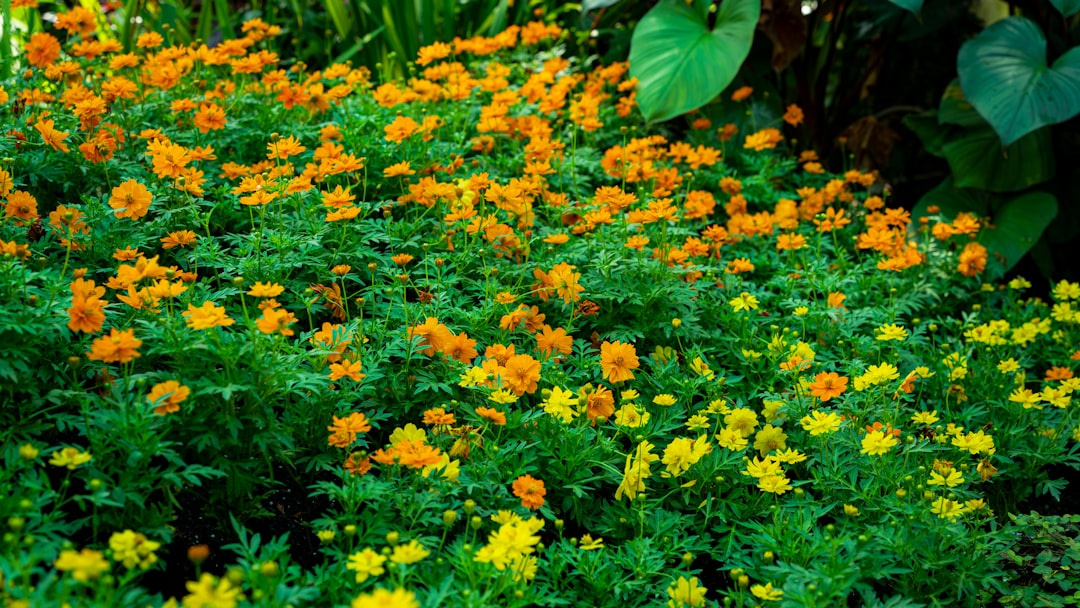
Embarking on the journey of garden design can be an exhilarating experience, especially for novice gardeners. With the right landscape design tips, you can transform your outdoor space into a magnificent and mesmerizing flower garden that not only bursts with colorful blooms but also enhances the curb appeal of your home.
First and foremost, it's essential to understand the different garden styles available. There are various types, such as formal gardens, informal gardens, cottage gardens, and modern gardens. Each style has its own unique characteristics and design principles. For instance, formal gardens are known for their symmetrical layouts, geometric shapes, and neatly trimmed hedges. They often feature a central axis and a sense of order and precision. On the other hand, informal gardens have a more natural and relaxed feel. They may include meandering paths, irregularly shaped beds, and a mix of different plant species.
Cottage gardens, a popular choice among many gardeners, evoke a sense of nostalgia and charm. They typically feature a profusion of flowers, including roses, peonies, and lavender, as well as herbs and vegetables. The plants are often arranged in a seemingly haphazard manner, creating a romantic and inviting atmosphere. Modern gardens, on the contrary, embrace simplicity and minimalism. They may incorporate clean lines, contemporary materials, and a limited color palette.
Once you've decided on the garden style that suits your taste and the overall aesthetic of your property, it's time to plan the layout. Start by measuring the available space and taking note of any existing features, such as trees, shrubs, or structures. Consider the orientation of the garden in relation to the sun, as this will affect the growth and health of your plants. Most flowers require at least six hours of sunlight per day, so choose a location that receives adequate sunlight.
When designing the layout, think about creating different zones within the garden. You might have a seating area where you can relax and enjoy the beauty of your flowers, a dining area for outdoor meals, and a play area for children or pets. Use paths and walkways to connect these zones and create a sense of flow. You can use materials such as gravel, stone, or wood chips for the paths, depending on the style of your garden.
Next, it's time to select the plants for your flower garden. Choose a variety of plants that bloom at different times of the year to ensure a continuous display of color. Consider the height, texture, and color of the plants when making your selections. Tall plants can be used as backdrops, while low-growing plants can be used as borders or groundcovers. Mixing different types of plants, such as annuals, perennials, and bulbs, will add diversity and interest to your garden.
Some popular flower choices for a beginner gardener include marigolds, petunias, zinnias, and pansies. These plants are relatively easy to grow and care for, making them ideal for those new to gardening. You can also add some foliage plants, such as hostas or ferns, to provide a contrast to the colorful flowers. Don't forget to include some fragrant plants, such as lavender or jasmine, to add a delightful aroma to your garden.
Proper soil preparation is crucial for the success of your flower garden. Most plants prefer well-drained soil that is rich in organic matter. Before planting, loosen the soil to a depth of at least 12 inches and add compost or aged manure to improve its fertility. You can also perform a soil test to determine the pH level of the soil and make any necessary adjustments.
Watering is another important aspect of gardening. Newly planted flowers need to be watered regularly to help them establish their roots. However, be careful not to overwater, as this can lead to root rot. Once the plants are established, you can reduce the frequency of watering, but make sure the soil doesn't dry out completely. Mulching around the plants can help retain moisture and suppress weeds.
Finally, don't forget to maintain your flower garden. Regularly deadhead the spent flowers to encourage new growth and prolong the blooming period. Prune the plants as needed to keep them in shape and remove any diseased or damaged branches. Fertilize the plants according to their specific needs to ensure healthy growth.
In conclusion, creating a magnificent and mesmerizing flower garden is within reach for even the most novice gardener. By following these landscape design tips, understanding different garden styles, planning the layout, selecting the right plants, preparing the soil, watering properly, and maintaining the garden, you can transform your outdoor space into a beautiful oasis that you can enjoy for years to come.