
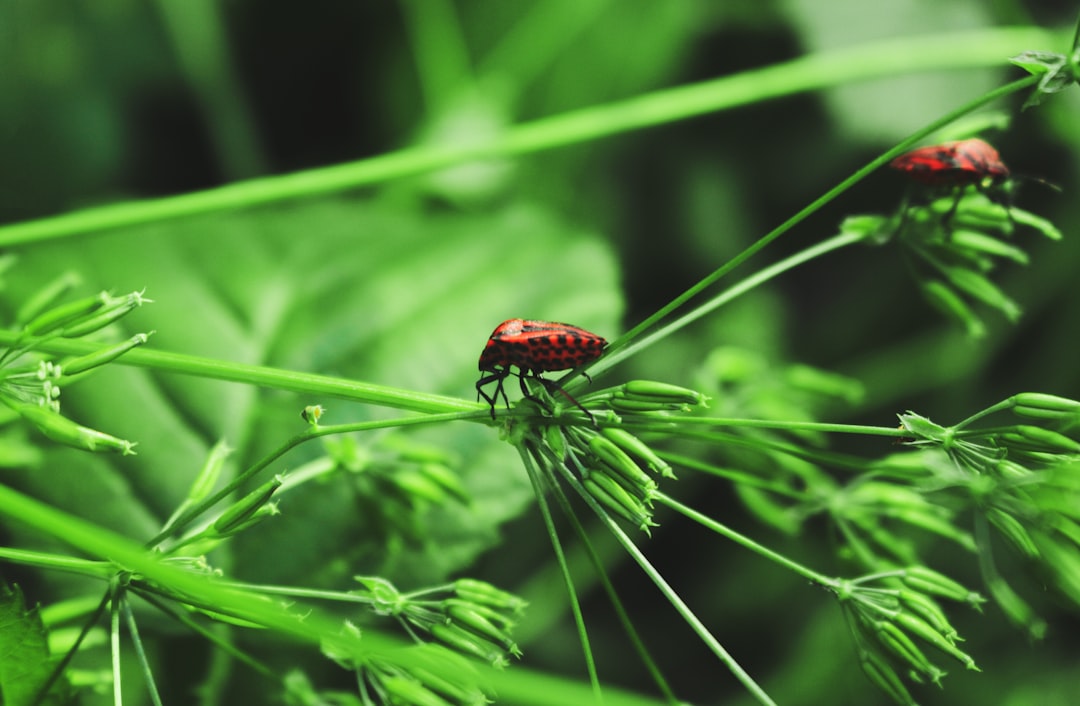
When it comes to gardening, dealing with pests is an inevitable challenge. Among the many pests that can wreak havoc on your garden, Japanese beetles are a particularly troublesome one. These shiny, metallic - green insects with copper - brown wings can devour the leaves, flowers, and fruits of a wide variety of plants, leaving your garden looking like a battlefield.
Japanese beetle traps are a common sight in many gardens. They work by using a combination of pheromones and floral scents to attract the beetles. Once the beetles are lured in, they get trapped inside and eventually die. At first glance, these traps seem like a great solution to the Japanese beetle problem. However, when used incorrectly, they can actually make your garden worse.
The main issue with Japanese beetle traps is that they are extremely effective at attracting beetles. While they do capture some of the beetles, they also draw in many more from the surrounding area. So, instead of reducing the beetle population in your garden, you might end up increasing it. Moreover, the traps don't distinguish between male and female beetles. This means that even if you catch a large number of beetles in the trap, there are still plenty of them left in your garden to mate and reproduce.
Another problem is that the traps can attract beetles to areas of your garden where they might not have otherwise gone. For example, if you place a trap near a plant that is not usually a target for Japanese beetles, the beetles will be drawn to that area and may start feeding on the plant. This can lead to more damage to your garden than if you had not used the trap at all.
So, what are the alternative ways to keep these pests away? One of the most effective methods is manual removal. This might sound labor - intensive, but it can be quite effective, especially if you have a small garden. Simply go out to your garden early in the morning when the beetles are less active. You can use a pair of tweezers or your fingers (wearing gloves, of course) to pick the beetles off the plants and drop them into a bucket of soapy water. The soap will break the surface tension of the water, causing the beetles to drown.
Another option is to use natural predators. Birds, such as starlings and robins, love to eat Japanese beetles. You can attract these birds to your garden by providing bird feeders and bird baths. Additionally, some beneficial insects, like parasitic wasps, can also help control the Japanese beetle population. These wasps lay their eggs inside the beetle grubs, which eventually kill the grubs.
You can also use companion planting to deter Japanese beetles. Certain plants, such as garlic, chives, and catnip, have natural repellent properties. Planting these around your vulnerable plants can help keep the beetles at bay. For example, if you have roses in your garden, which are a favorite of Japanese beetles, plant some garlic cloves around the base of the rose bushes.
Neem oil is another natural solution. It is derived from the neem tree and has insecticidal properties. You can mix neem oil with water and spray it on your plants. The oil coats the leaves and makes them unappetizing to the beetles. It also disrupts the beetles' hormonal balance, preventing them from feeding and reproducing.
In conclusion, while Japanese beetle traps may seem like an easy fix, they come with their own set of problems. By using alternative methods such as manual removal, natural predators, companion planting, and neem oil, you can effectively keep these pests away from your garden without causing more harm. Remember, a healthy garden is one that is in balance, and finding the right pest control methods is an important part of achieving that balance.