
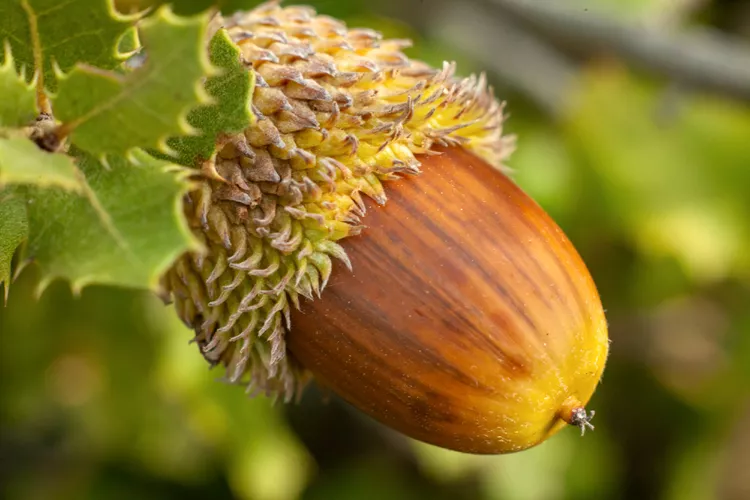
Growing an oak tree from an acorn can be a fun and rewarding project. And by planting the seed of a tree that potentially could live for hundreds of years while providing shade and a habitat for wildlife, you'll be making a meaningful contribution to the future. The large acorns of oak trees are fairly easy to plant. When ripe, they fall from the tree and germinate in the soil, often sprouting within a few weeks—an impressive feat for such large, stately trees. This guide outlines the process for gathering the acorns, sowing them in a container, taking care of the seedlings, and eventually planting the trees in their permanent locations.
When to Collect Acorns
Each year, oak trees produce a batch of new acorns that grow and mature over time. Some species, such as members of the white oak group, produce acorns that mature within a single season, while members of the red oak group mature only after two years on the tree.
Most species of oak have an adaptive strategy called masting. Masting occurs when trees (or other plants) produce large amounts of fruit or seeds one year and then produce few to none the following two to five years, followed by another mast year. This strategy ensures the tree produces so many seeds the hungry squirrels, deer, and other wildlife can’t possibly eat them all, and at least a few survive.
Regardless of how long the acorns take to mature, the best time to harvest them is right after they drop from the tree onto the ground, making acorns very easy to collect.
Tips for Collecting Acorns
Toward the end of the growing season, acorns begin to fall off the trees. This is the ideal time to look for acorns because they are at their freshest and less likely to succumb to plant diseases and insect pests. Acorns are also a favorite food for a variety of animals, including squirrels, deer, turkeys, and jays. During non-masting seasons, competition for acorns is tough, so you’ll want to collect the acorns as soon as possible. Not all acorns are viable, and those that are might still not germinate properly. Collect more acorns than you need to increase your chances of success.
Checking for Viability
After you collect the acorns, check them for viability. The best way to do this is to drop the acorns in a bucket of water and gather those that sink. Viable, healthy acorns should sink to the bottom of the bucket, while nonviable acorns float. Discard any acorns that have holes, feel hollow, or look discolored or unhealthy.
Sowing the Acorns
Like most seeds, acorns need moist soil, a bit of warmth, and—eventually—sun to get the seedlings growing nicely. Then, you'll need a few supplies for best results when planting acorns, including potting soil and deep pots. Sterile potting mix is unnecessary because strong, healthy seedlings do fine in a variety of soils.
The type of pot you choose can affect the health of the oak tree for years to come because as oak tree seedlings begin to grow, they produce a long taproot and an extensive root system. A deep, narrow pot directs the roots downward rather than horizontally, which can lead to a root-bound seedling. Tree nursery pots work best, but almost any container works in a pinch.
Fill the containers about ¾ or more full with potting soil and place the acorns singly in the containers on their sides. Cover the acorns to about twice the depth of their diameter and gently tap the soil down. Placing more than one acorn in a container will ultimately lead to tangled roots and eventually having to sacrifice one seedling to save the other.
After sowing the acorns, gently water them and cover them with leaves for their winter rest. Some types of oaks begin sprouting within a couple of weeks, while others need the cold winter temperatures to stratify the seeds and prepare them for germination. In both cases, leave the containers outdoors under a bed of leaves and protected with mesh, wire, or another water-permeable barrier to avoid predation from squirrels, chipmunks, and other rodents.
In the spring, remove all but a thin layer of leaves from the surface of the containers, and keep the pots in a full sun location. As the weather warms, you will see the first leaves of the acorns begin to peak above the soil surface.
Planting Oak Seedlings
Oak trees are slow-growing, but after the first growing season, the seedlings should be large enough to transplant into the landscape.
Plant the young oak trees in a sunny location well away from buildings, power lines, or other structures. Most oaks become huge over time, and while they might not become a problem in your lifetime, you want to avoid causing issues for others in the future. Remember, the tree can live for hundreds of years, given the right conditions.
Many types of oak trees can survive even in poor, nutrient-deprived soils, but fertilizing young trees over the first 5-10 years using fertilizer spikes gets them off to a good start.